
Standard 2026 Hyundai SmartSense technology includes active collision avoidance, lane keeping, blind-spot monitoring, rear cross-traffic alert, driver attention monitoring, and automated highway cruise controls. Unlike passive warning systems, SmartSense actively applies braking and steering inputs to help prevent collisions. Core features like Forward Collision-Avoidance Assist and Lane Keeping Assist come standard across the entire lineup, equipping every vehicle from the 2026 Hyundai Tucson to the 3-row 2026 Hyundai Palisade with standard active protection.
Hyundai SmartSense works as an interconnected network of radar sensors, front-facing cameras, and ultrasonic detectors. These components continuously scan the perimeter of your vehicle to detect potential hazards in front, beside, and behind you. Rather than bundling essential driver-assist technologies into expensive option packages, Hyundai builds these core protections directly into base configurations. Every 2026 Hyundai model benefits from standard active intervention systems that step in if a driver fails to react quickly enough to a sudden obstacle, helping to prevent accidents.
Across 2026 Hyundai models, the foundational SmartSense suite includes:
- Forward Collision-Avoidance Assist: Uses forward radar and optical cameras to monitor stopping vehicles, pedestrians, and cyclists ahead, applying emergency braking when necessary.
- Lane Keeping Assist and Lane Following Assist: Monitors marked lane lines to gently nudge the steering wheel if you drift, keeping your vehicle centered in its lane.
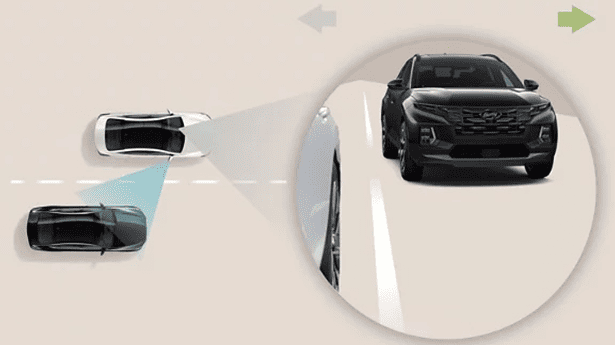
- Blind-Spot Collision-Avoidance Assist: Scans adjacent lanes while cruising and selectively applies outer wheel braking if you signal a lane change while another vehicle is in your blind spot.
- Rear Cross-Traffic Collision-Avoidance Assist: Scans perpendicular lanes while in reverse, warning of approaching traffic and automatically applying brakes if a hazard is detected.
- Driver Attention Warning: Analyzes steering patterns, throttle inputs, and lane positioning to detect drowsiness or driver fatigue, displaying visual and audible rest warnings.
Whether you are comparing trim levels on our showroom floor or taking a test drive, understanding how these systems operate provides real confidence on the road. To see how these safety systems function in person, feel free to stop by our showroom at 2441 Billingsley Rd or give our sales team a quick call at (614) 782-1029 to discuss available model inventory.
Which Hyundai SmartSense Features Are Designed Specifically to Protect Children?
Key child safety systems in the Hyundai SmartSense suite include Safe Exit Assist, Rear Occupant Alert, and Advanced Rear Occupant Alert, which are specifically engineered to prevent rear-seat accidents and heat-related incidents. These features utilize radar sensors and interior overhead detection to monitor back-seat passengers before, during, and after every drive.
Safe Exit Assist addresses the common danger of children opening rear doors into approaching traffic or passing bicyclists. When your vehicle is parked along a curb or in a busy lot, rear-corner radar sensors scan the side of the car. If a child attempts to open a rear door while a vehicle is approaching from behind, the system emits an audible warning and overrides manual disengagement of the Electronic Child Safety Locks to keep the doors securely locked until the threat passes.
To safeguard young passengers after you park, Hyundai offers two levels of rear-seat monitoring technology:
- Rear Occupant Alert: Displays a prominent visual reminder on the central instrument cluster when you switch off the ignition, prompting the driver to check the rear seats before exiting.
- Advanced Rear Occupant Alert: Adds an overhead ultrasonic sensor or ceiling-mounted camera inside the headliner. On models like the 2026 Hyundai Palisade starting on the SEL Convenience trim, these sensors monitor the back seat area for movement after the vehicle is locked. If movement is detected—such as a sleeping child waking up—the system honks the horn, flashes the headlights, and sends an instant alert to your smartphone via Hyundai Bluelink.
When parents compare family models like the 2026 Hyundai Santa Fe and 2026 Hyundai Palisade, seeing these child-focused safeguards working in real time offers genuine reassurance. If you are considering upgrading your current family vehicle to a model with advanced rear-seat protection, our team can assist you with valuing your trade-in online in just a few minutes.
How Does Forward Collision-Avoidance Assist Work During Family Commutes?
Forward Collision-Avoidance Assist operates through a dual-sensor network using a windshield-mounted optical camera and front bumper radar to detect vehicles, pedestrians, and cyclists ahead. During busy morning school runs and heavy stop-and-go traffic, the system continuously calculates closing speeds and distance to provide three progressive levels of driver intervention.
When the system detects a potential obstruction in your driving path, it first issues visual dashboard warnings paired with an audible chime. If you do not apply the brakes and the closing distance shortens dangerously, the system delivers secondary warnings while pre-charging the hydraulic braking system for maximum stopping power. If a collision remains imminent, Forward Collision-Avoidance Assist automatically applies full braking pressure to bring the vehicle to a complete stop or significantly lessen impact speed.
Advanced iterations of this technology on upper trim levels—such as the 2026 Hyundai Santa Fe Calligraphy powered by its 2.5L engine and SHIFTRONIC transmission—include specialized junction turning and lane-change functions:
- Junction Turning Detection: Scans oncoming lanes when you signal to turn left across traffic at an intersection, automatically applying the brakes if an oncoming car poses a collision risk.
- Junction Crossing Protection: Monitors traffic approaching perpendicularly from the left or right at crossroads and stops your vehicle if another driver runs a red light or stop sign.
- Lane-Change Oncoming and Side Assistance: Detects vehicles approaching in adjacent lanes when you initiate a lane change, providing corrective steering assistance to prevent sideswipe collisions.
This active monitoring takes the stress out of unpredictable suburban commuting, allowing you to maintain full attention on navigating heavy traffic safely.
Which SmartSense Parking Features Help Navigating Tight School Pickup Lines in Dublin?
Surround-view camera feeds, ultrasonic bumper sensors, and automated reverse braking make navigating congested school drop-off lanes and packed parking lots in Dublin straightforward and controlled. Features like Surround View Monitor, Rear Cross-Traffic Collision-Avoidance Assist, and Parking Distance Warning provide a complete field of view around the vehicle's entire footprint.
During school drop-off hours, children frequently walk behind vehicles or step out between parked cars where traditional mirrors cannot reach. The Surround View Monitor utilizes multiple wide-angle exterior cameras to synthesize a 360-degree top-down aerial view of your vehicle on the central infotainment display. This allows you to spot low obstacles, stray backpacks, or small children before moving your vehicle.
Key parking assistance technologies in the SmartSense suite include:
- Rear Cross-Traffic Collision-Avoidance Assist: Uses rear corner radar while in reverse to detect vehicles approaching from up to 75 feet away on either side, warning you audibly and automatically applying the brakes if you continue backing up.
- Reverse Parking Collision-Avoidance Assist: Utilizes rear ultrasonic sensors to detect static obstacles or pedestrians directly behind your bumper, engaging automatic emergency braking if a impact is imminent.
- Parking Distance Warning – Forward and Reverse: Provides proximity chimes that increase in frequency as your front or rear bumpers approach curb stops, light poles, or adjacent vehicles.
- Remote Smart Parking Assist: Allows drivers to pull their vehicle out of or into narrow parking spaces remotely using buttons on the Smart Key fob while standing outside the car.
These parking safety systems prevent minor low-speed parking lot scrapes and protect pedestrians in high-foot-traffic areas.
Is There a SmartSense Feature That Eases Highway Driving on Long Family Road Trips?
Highway Driving Assist combines Smart Cruise Control with Stop & Go and Lane Following Assist to automate speed control, lane centering, and following distance on long interstate drives. Designed to reduce driver fatigue during extended family trips, this system manages throttle, braking, and steering inputs on mapped highways.
When cruising through regional corridors near Lewis Center, activating Highway Driving Assist allows the vehicle to read overhead speed limit signs and adjust set speeds automatically. The system uses a forward camera to read lane markings, keeping your SUV positioned in the center of its lane even through wide highway curves. Simultaneously, front radar maintains a pre-selected safety distance from the car ahead, bringing your vehicle to a complete stop in traffic jams and resuming speed once traffic moves.
On elevated trims like the 2026 Hyundai Palisade Calligraphy, Hyundai installs Highway Driving Assist 2, which introduces refined semi-autonomous capabilities:
- Automatic Lane Change Assist: When driving at highway speeds with your hands on the wheel, tapping the turn signal indicator prompts the vehicle to scan the adjacent lane and steer into it automatically when clear.
- Offset Lane Positioning: Adjusts your vehicle's lateral position within its lane if an adjacent semi-truck or wide commercial vehicle drives uncomfortably close to your lane line.
- Navigation-Based Smart Cruise Control: Communicates with the onboard navigation system to anticipate upcoming tight curves or highway exits, automatically slowing the vehicle down before entering the turn and resuming speed upon exiting.
By delegating minor throttle and steering adjustments to Highway Driving Assist 2, long road trips become noticeably more relaxing for the driver while keeping the whole cabin safe.
Are Family-Focused SmartSense Features Worth Buying Higher Trims?
Upgrading to mid-range and top-tier trims like the SEL Convenience, Limited, or Calligraphy is worthwhile for families seeking maximum active safety, as these trims add advanced interior sensors, 360-degree camera networks, and semi-autonomous highway steering. While core collision-avoidance features come standard on entry-level models like the SE, higher trim levels introduce features designed specifically for passenger oversight and complex parking maneuvers.
Beyond driver-assist technology, every new 2026 Hyundai purchased from our dealership includes Hyundai's 10-Year / 100,000-Mile Powertrain Limited Warranty, which covers major internal components like the engine and transmission for the original owner.
Frequently Asked Questions About Hyundai SmartSense Safety Tech
Q: Is Hyundai SmartSense standard on all 2026 Hyundai models?
Core Hyundai SmartSense features come standard on every 2026 Hyundai vehicle. Essential driver-assist systems including Forward Collision-Avoidance Assist, Lane Keeping Assist, Lane Following Assist, Driver Attention Warning, and High Beam Assist are built into base trims without requiring paid option packages. Higher trim levels add specialized features such as Highway Driving Assist 2, Surround View Monitor, and Remote Smart Parking Assist.
Q: How does Advanced Rear Occupant Alert notify parents if a child is left in the back seat?
Advanced Rear Occupant Alert uses an overhead ultrasonic sensor mounted in the headliner to monitor the rear seat area for movement after the engine is turned off. If movement is detected after the vehicle is locked, the system sounds the vehicle horn, flashes the hazard lights, and sends an immediate push notification to the owner's smartphone via Hyundai Bluelink connectivity.
Q: Can Safe Exit Assist override child safety locks?
Safe Exit Assist overrides manual attempts to turn off the Electronic Child Safety Locks if its rear radar sensors detect a vehicle or bicycle approaching from behind. Even if a driver attempts to unlock the rear doors, the electronic lock remains engaged and an audible warning chime sounds until the approaching hazard has passed safely.
Q: What is the difference between Highway Driving Assist and Highway Driving Assist 2?
Highway Driving Assist combines Smart Cruise Control and Lane Following Assist to control vehicle speed, maintain following distance, and keep the car centered in its lane on highways. Highway Driving Assist 2 adds automatic lane-changing functionality initiated by the turn signal lever, offset steering positioning when adjacent to wide trucks, and junction-crossing collision avoidance.
Q: Where can I test drive a 2026 Hyundai with SmartSense safety tech in Columbus?
You can test drive the full lineup of 2026 Hyundai models equipped with SmartSense safety tech by visiting our Dublin-area dealership on Billingsley Road. Our sales specialists can demonstrate features like Surround View Monitor and Remote Smart Parking Assist during your visit. Feel free to give us a quick call at (614) 782-1029 to arrange a convenient appointment.
Prices and MSRP referenced in this article are estimates for informational purposes only and do not constitute an offer to sell. See dealer for complete details. Fuel economy estimates shown may differ from official EPA ratings and should not be relied upon as a guarantee of actual vehicle performance.