

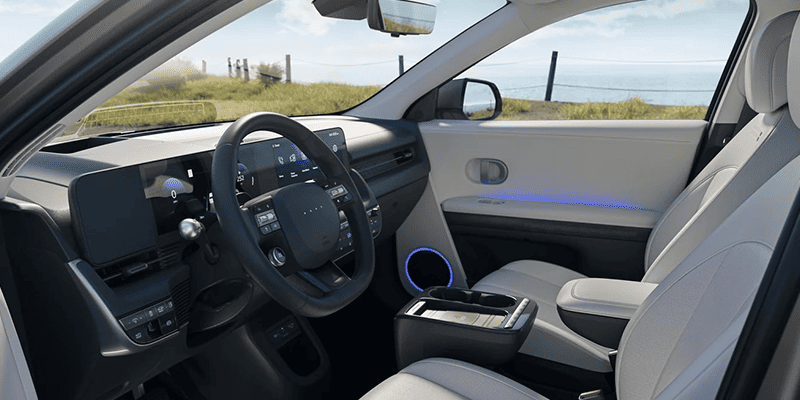
Commuters driving through Dublin along major corporate corridors often ask why their eyes water and throat feels dry only when driving, even with all windows rolled up tight. The answer almost always traces back to a neglected climate control filter that has reached its capacity limit. When the ventilation fan runs, forced air pushes through a dirty filter, picking up trapped moisture and accumulated debris, which distributes stale air into the passenger compartment.
Throughout the late spring and summer months, your vehicle's heating, ventilation, and air conditioning (HVAC) system continuously draws outside air through the cabin media. Over thousands of miles, that filtration material becomes loaded with road grime, insects, fine dust, and tree pollen. By late August, a heavily saturated media layer can no longer capture incoming particulate matter effectively. When fall arrives, bringing elevated ragweed pollen counts and damp decaying leaf mold, a clogged media filter allows those microscopic irritants to bypass the filtration mesh or recirculate directly into your breathing space.
Replacing your cabin air filter before fall allergy season prevents accumulated summer dust, mold spores, and airborne debris from restricting HVAC airflow when ragweed pollen counts peak. A fresh filter captures airborne particles as small as 1 to 10 microns before they enter the passenger compartment, ensuring clean air circulation, preventing musty vent odors, and reducing allergy triggers during late-summer and autumn commutes.
Replacing this component before peak pollen surges protects your respiratory health while maintaining full HVAC system efficiency. Clean filtration media allows your defroster, heater, and air conditioner to push maximum air volume with minimum electrical resistance. To ensure your vehicle's ventilation system is prepared for seasonal pollen spikes, reach out to our service team at (614) 782-1029 or review our service center directions to plan your maintenance visit.
Is Climate Change Making Fall Allergy Seasons Longer and More Intense?
Climate change is actively extending and intensifying fall allergy seasons by delaying first autumn frosts, increasing atmospheric carbon dioxide, and prompting plants like ragweed to produce higher volumes of potent pollen over a longer timeframe. Higher concentrations of carbon dioxide act as a fertilizer for allergenic weeds, causing individual plants to grow larger and produce substantially more pollen grains per bloom cycle.
Historically, autumn allergy triggers began around mid-August and dropped off sharply with the first hard frost in late September or early October. In recent years, warmer global temperatures have shifted autumn frost dates deeper into October and November. This extended warm cycle gives ragweed, dock, and pigweed several additional weeks to release spores into the atmosphere. The result is an elongated allergen window that overlaps directly with leaf drop, creating a dual spike of weed pollen and outdoor mold spores.
The open fields and suburban developments around Lewis Center expose commuters to significant airborne weed pollen that lingers late into the autumn months. As warm daytime temperatures persist alongside cool nights, ragweed plants release millions of lightweight pollen grains daily. These particles can travel hundreds of miles on wind currents, easily entering vehicle air intakes during routine highway drives. Because outdoor pollen exposure remains high for nearly three full months, maintaining optimal interior filtration is essential for year-round driving comfort.
What Does a Cabin Air Filter Do to Block Ragweed and Outdoor Allergens?
A cabin air filter acts as a physical barrier within your vehicle's heating, ventilation, and air conditioning (HVAC) system, trapping airborne particulates like ragweed pollen, mold spores, and road dust before outside air reaches the passenger cabin. Located behind the glove box or underneath the dashboard, the filter forces all incoming external air through tightly woven synthetic or cotton fiber layers.
Standard particulate cabin filters are engineered to trap floating particles ranging from 1 to 10 microns in size. Because individual ragweed pollen grains typically measure between 15 and 25 microns, a clean cabin filter traps nearly 100 percent of ragweed pollen on contact. Multi-layer filters featuring electrostatic fibers draw in fine dust particles like a magnet, while upgraded versions containing activated carbon layers absorb gaseous pollutants, exhaust fumes, and unburnt fuel odors before they reach your seat.
Your vehicle's climate control panel also features an air recirculation button, which works in direct coordination with the cabin air filter. Engaging recirculation closes the exterior air intake hatch, routing interior cabin air back through the HVAC filter repeatedly. On days when local pollen alerts are high, running recirculation prevents new outdoor pollen from entering while allowing the cabin filter to clean the air already inside your car continuously.
What Are the Signs That Your Cabin Air Filter Is Overdue for Replacement?
Common signs that your cabin air filter is overdue for replacement include weak airflow from HVAC vents on high fan settings, persistent musty or stale odors when turning on heat or AC, increased dust settling on interior surfaces, and sudden allergy flare-ups while driving. Recognizing these early indicators allows you to replace the component before severe restriction impacts HVAC performance or passenger comfort.
Restricted airflow is typically the first physical symptom drivers notice. When fine dust, leaves, and pine needles compact tightly across the filter pleats, air cannot pass freely through the climate housing. Even when you select the highest fan speed on your climate dial, the air coming out of the dash vents may feel sluggish or weak. This restriction forces the HVAC blower motor to work harder against backpressure, which can cause subtle whistling or humming sounds inside the dashboard.
A clogged filter can also impact interior humidity control and windshield visibility. During damp autumn mornings, your vehicle's defroster relies on dry, high-velocity air from the HVAC system to clear condensation from the windshield glass. A dirty cabin filter holds moisture trapped in accumulated debris, blowing damp air against the cold windshield and making fog slow or difficult to clear.
While a restricted cabin filter primarily impacts comfort and air quality, severe blockage increases electrical load on the blower motor and forces the air conditioning compressor to run longer to cool or dehumidify the cabin. Over extended periods, this additional mechanical and electrical strain can slightly reduce overall vehicle operating efficiency. If you notice reduced vent airflow or persistent dust buildup on your dashboard, explore replacement options through our genuine Hyundai parts department to restore proper HVAC operation.
Do HEPA or Allergen Filters Really Help With Driving Allergies and Sinus Health?
Driving in an enclosed space with a contaminated air filter can aggravate sinus pressure, nasal congestion, and postnasal drip. When a filter traps organic matter like leaves or insects, damp conditions inside the HVAC housing encourage mold spores and bacteria to grow directly on the filter surface. Turning on the fan then blows microscopic mold fragments and volatile organic compounds straight into your face, triggering sinus inflammation and headaches during daily commutes.
Upgrading to an advanced allergen or activated carbon filter creates a noticeably cleaner environment inside the vehicle. The dense, multi-layered construction stops fine soot, diesel exhaust particulates, and microscopic mold spores before they interact with your respiratory tract. For drivers managing chronic hay fever, asthma, or seasonal sinus sensitivities, high-efficiency filtration provides measurable relief by keeping the vehicle interior a protected, low-allergen sanctuary.
HEPA-grade and specialized allergen cabin air filters significantly improve indoor air quality by capturing over 99 percent of microscopic particles down to 0.3 microns, protecting driver sinus health and reducing respiratory irritation compared to basic particulate filters. High-efficiency filtration media traps sub-micron triggers that standard filters might allow into the passenger space.
How Far in Advance of Allergy Season Should You Replace Your Cabin Air Filter?
You should replace your cabin air filter two to four weeks before peak pollen surges—typically in late July or early August for fall allergies—to ensure your HVAC media is completely clean and ready for heavy ragweed and mold exposure. Changing the filter slightly ahead of the seasonal transition prevents new pollen from combining with old summer dust already trapped in the media.
Servicing the filter late in the summer ensures maximum capacity for autumn ragweed. A fresh filter installed in early August will easily handle the September pollen surge and carry through late-fall leaf decay without restricting airflow during winter heating months.
Most vehicle manufacturers recommend inspecting or replacing the cabin air filter every 12,000 to 15,000 miles, or at least once per year under normal driving conditions. However, driving in environments with high pollen density, agricultural dust, unpaved roads, or heavy urban pollution warrants shorter service intervals of roughly 10,000 miles or every 6 to 12 months. For instance, published maintenance schedules for models like the 2026 Hyundai Santa Cruz specify climate control air filter replacement at 32,000 miles for routine driving, while advising more frequent inspection when operating in severe or high-dust conditions.
Frequently Asked Questions About Cabin Air Filters and Fall Maintenance
Q: Does running the air recirculation mode eliminate all outdoor pollen inside my Hyundai?
Using air recirculation closes the fresh-air intake hatch, preventing new outdoor pollen from entering the vehicle while continually running interior air through the cabin filter. While it drastically cuts allergen entry on high-pollen days, it works best when paired with a clean cabin air filter that can clear whatever dust or dander was already inside.
Q: Can a clogged cabin air filter cause permanent damage to my vehicle's HVAC blower motor?
A severely clogged filter restricts airflow through the climate housing, forcing the blower motor to pull air against high resistance. Over time, this restricted movement increases motor operating temperatures and electrical draw, which can lead to premature blower motor wear or blown electrical fuses.
Q: How does a cabin air filter differ from the engine air filter under the hood?
The engine air filter cleans intake air heading directly into the engine cylinders to ensure proper combustion and protect internal engine components. The cabin air filter cleans outside air passing through the heating and air conditioning system before it reaches the passenger compartment for you and your passengers to breathe.
Q: Is replacing a cabin air filter a quick service procedure during a routine maintenance visit?
In most Hyundai vehicles, the cabin air filter sits behind an access panel inside or behind the glove box, making inspection and replacement a quick process during scheduled maintenance. Certified technicians can inspect the filter, clean out debris from the climate housing, and slide in a fresh OEM cartridge in just a few minutes.
Q: What should I do if a musty odor remains after replacing the cabin air filter?
If a stale or mildew-like smell persists after installing a new filter, accumulated moisture may have allowed mold or algae to build up on the air conditioning evaporator coils or inside the drain pan. A professional HVAC duct and evaporator cleaning service eliminates lingering odor-causing bacteria directly from the system housing.
Prices and MSRP referenced in this article are estimates for informational purposes only and do not constitute an offer to sell. See dealer for complete details. Fuel economy estimates shown may differ from official EPA ratings and should not be relied upon as a guarantee of actual vehicle performance.
Categories:
News