
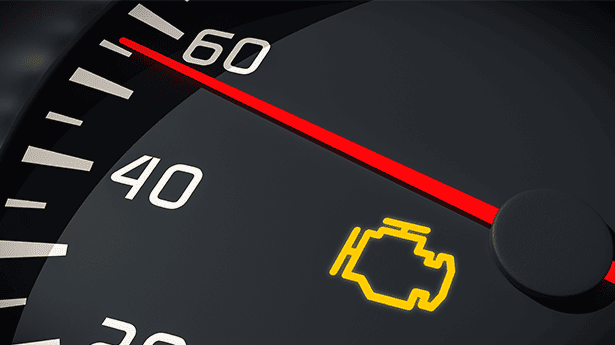
A Hyundai check engine light turns on when the onboard diagnostics system detects an operational fault or emissions discrepancy, ranging from a loose gas cap or oxygen sensor error to an active engine misfire. A steady amber light signals a stored non-emergency fault that requires evaluation soon, whereas a flashing light indicates a severe misfire capable of overheating and damaging the catalytic converter, requiring immediate pull-over when safe.
Every modern Hyundai vehicle utilizes a second-generation engine diagnostic system known as OBD-II. This computer network monitors sensors across the powertrain, fuel delivery system, exhaust setup, and automatic transmission. When a sensor detects an operating value outside factory parameters—such as an improper air-fuel ratio, engine misfire, or evaporative vapor leak—it stores a diagnostic trouble code in the computer module and illuminates the instrument panel light, technically known as the malfunction indicator lamp.
Understanding this warning light helps protect vital engine hardware before minor component wear turns into extensive mechanical damage. For example, popular crossover models like the 2026 Hyundai Tucson feature an advanced 1.6L engine paired with a SHIFTRONIC® transmission and complex emissions control networks. During daily suburban commutes along the Scioto River corridor in Dublin, environmental changes and normal component wear can cause sensors to flag minor inconsistencies.
While the warning symbol alerts you to a problem, the light itself does not pinpoint the exact mechanical failure. It acts as a primary notification that a system self-test has failed. If your dashboard warning light stays lit during your routine drive, reach out to our team at (614) 782-1029 or visit our service center location on Billingsley Road to perform a scan and evaluate the underlying code.
What Is the Difference Between a Solid and Flashing Check Engine Light on a Hyundai?
A solid check engine light indicates a stored diagnostic code for a non-emergency issue, while a flashing check engine light alerts you to an active, severe engine misfire that requires pulling over immediately to prevent permanent catalytic converter damage.
Recognizing the operational status of your instrument panel light determines how quickly you must respond behind the wheel:
- Solid Amber Warning Light: The engine computer has identified a fault that needs professional diagnostic evaluation. The vehicle can typically be driven safely for short distances to reach a service facility, provided there are no severe drivability symptoms like engine knocking, severe power loss, or overheating.
- Flashing Warning Light: Unburned raw fuel is escaping into the exhaust manifold due to incomplete cylinder combustion. This unburned fuel ignites inside the high-temperature catalytic converter, rapidly pushing temperatures beyond normal operating thresholds. Continuing to drive with a blinking light risks melting the internal catalyst core and creating potential fire hazards.
- Limp Home Mode Activation: Under severe misfire conditions, modern Hyundai engine control software may automatically trigger a protective restriction known as limp mode. This feature limits engine revs and vehicle speed to minimize mechanical stress on internal components while you navigate safely off the highway.
When an active misfire occurs, pull off the road as soon as it is safe, turn off the ignition, and arrange for vehicle transportation to a service facility. Running an engine during an active misfire can transform a simple repair into a complete exhaust system replacement. For replacement components and factory-spec maintenance items, our Hyundai parts center supplies genuine components designed specifically for your powertrain.
What Are the Most Common Reasons a Hyundai Check Engine Light Turns On?
The most common reasons a Hyundai check engine light turns on include a loose or damaged fuel cap, a failing oxygen sensor, an ignition system misfire, a malfunctioning mass airflow sensor, or a degraded catalytic converter.
Across various Hyundai models, onboard computer self-tests routinely flag issues within five core vehicle systems:
- Evaporative Emissions (EVAP) System: A loose, cracked, or missing gas cap prevents the fuel tank from maintaining proper vapor pressure. This triggers an EVAP leak code even though the engine continues to run perfectly. Checking and tightening the fuel filler cap is always the logical first step when a solid light appears shortly after refueling.
- Oxygen Sensors: These sensors measure unburned oxygen levels in the exhaust stream to help the computer continuously balance the air-fuel mixture. A failing oxygen sensor causes the engine to burn excessive fuel, reducing overall efficiency and accelerating carbon buildup.
- Ignition System Components: Worn spark plugs, failing ignition coils, or damaged spark plug wires cause erratic cylinder firing. Diagnostic codes ranging from P0300 (random multiple cylinder misfires) to P0301 through P0308 (cylinder-specific misfires) directly stem from ignition hardware failures and frequently cause the dashboard light to flash under load.
- Mass Airflow (MAF) Sensor: The MAF sensor measures incoming air volume so the fuel injection system delivers the exact fuel charge needed. A dirty or failing sensor leads to engine hesitation, rough idling, and reduced throttle response.
- Catalytic Converter: Downstream oxygen sensors monitor catalytic efficiency. Trouble codes like P0420 indicate the converter is no longer processing exhaust gases effectively, often resulting from long-term oil consumption or previously unaddressed engine misfires.
Drivers stopping in after a cold morning start on the gently rolling suburban roads around Powell often find that a loose fuel cap or a momentary battery voltage drop triggered an emissions code before any actual component failed. Professional diagnostic scanning clarifies whether a simple adjustment or a parts replacement is necessary.
How Far Can You Drive and How Do You Reset a Hyundai Check Engine Light?
You can generally drive 30 to 50 miles with a steady check engine light to reach a service center, but you should stop driving immediately if the light is flashing or accompanied by strange engine noises, steam, or smoke.
When managing a steady warning light, adhere to safe driving practices to prevent unnecessary engine wear:
- Reduce driving speed and avoid heavy acceleration, high-speed highway cruising, or towing trailers.
- Monitor dashboard gauges closely, paying special attention to coolant temperature and oil pressure levels.
- Check the gas cap at your next safe stop, ensuring it clicks tightly into position.
- Schedule a professional diagnostic inspection within a few days of the light appearing.
Resetting the check engine light requires resolving the underlying condition that triggered the code. Once repairs are completed, the vehicle control module automatically clears the code after completing a series of successful self-test drive cycles. While disconnecting the battery terminal or using a basic code tool can force the light off temporarily, the diagnostic system will re-illuminate the symbol as soon as the sensor detects the uncorrected fault again. Clearing codes manually also erases valuable freeze-frame sensor data that certified technicians rely on to identify intermittent mechanical issues.
What Happens During a Professional Diagnostic Service at Great Lakes Hyundai?
During a professional diagnostic service at Great Lakes Hyundai of Dublin, factory-trained technicians connect specialized factory scan tools to your vehicle's OBD-II port to extract stored fault codes, analyze live sensor data, and perform targeted physical component tests.
A thorough diagnostic appointment follows a systematic procedure to ensure accurate pinpointing of the root cause:
- Diagnostic Code Extraction: Technicians retrieve active, pending, and historical diagnostic codes alongside freeze-frame data, which records engine temperature, vehicle speed, and load parameters at the exact moment the fault occurred.
- Live Sensor Telemetry Analysis: Using high-speed factory diagnostic software, technicians evaluate live sensor streams to verify air-fuel ratios, ignition timing, vacuum pressure, and electrical circuit voltages in real time.
- Physical Component Inspection: Technicians conduct hands-on testing of targeted parts, inspecting wiring harnesses, vacuum hoses, ignition coils, and fuel pressure levels to rule out secondary mechanical faults.
- Transparent Repair Estimate: Before any repair work begins, our service team provides a clear breakdown of recommended repairs, required factory parts, labor details, and itemized costs.
Relying on factory-trained specialists ensures your vehicle receives genuine OEM parts and precise diagnostic evaluations backed by standard Hyundai service protocols. Take control of your vehicle's maintenance by scheduling a diagnostic appointment online at a time that fits your weekly calendar.
Frequently Asked Questions About Hyundai Check Engine Diagnostic Lights
Q: Can a loose gas cap clear its own check engine light once tightened?
Yes, if a loose fuel filler cap caused an evaporative emissions leak code, tightening the cap until it clicks will allow the system to retest itself. However, the light will not turn off instantly. The engine control computer must perform several successful EVAP system drive cycles—which typically involve a combination of city driving, highway cruising, and overnight cool-downs—before automatically clearing the stored code and extinguishing the light.
Q: Will a Hyundai enter limp mode when the check engine light flashes?
Yes, modern Hyundai vehicles frequently activate limp mode during severe engine misfires or critical sensor failures. This safety feature intentionally restricts engine speed, transmission shifting, and throttle response to prevent catastrophic damage to internal engine components and the exhaust system. If your vehicle enters limp mode, pull over safely to the shoulder or a parking area and contact emergency towing assistance immediately.
Q: Why does my check engine light only flash when accelerating hard or climbing hills?
Engine misfires often manifest specifically under high engine loads, such as accelerating rapidly or pulling heavy cargo uphill. Under heavy load, the ignition and fuel systems must supply maximum energy and fuel pressure to sustain combustion. Weak ignition coils, worn spark plugs, or partially clogged fuel injectors may operate normally at idle but fail under high demand, causing the check engine light to flash during hard acceleration.
Q: What should I do if the check engine light comes on right after an oil change or service visit?
If a check engine light illuminates immediately following a maintenance visit, check that the oil fill cap, dipstick, and air filter box intake tubes are fully secured. An unseated dipstick or loose intake hose can allow unmetered air into the engine, disturbing vacuum pressure and setting a lean mixture code. Contact your service advisor promptly so technicians can scan the vehicle and confirm all service access points are properly sealed.
Schedule Certified Hyundai Engine Diagnostics
Addressing an illuminated check engine light promptly protects your engine from secondary wear and keeps your vehicle running efficiently. Whether you noticed a recent change in fuel economy or an amber warning symbol on your instrument panel, our factory-trained service technicians are equipped with advanced diagnostic equipment to pinpoint the issue quickly and accurately.
Stop by our Dublin-area facility at 2441 Billingsley Rd, Columbus, OH 43235 or speak directly with our service desk by calling (614) 782-1029 to arrange your comprehensive diagnostic evaluation today.
Prices and MSRP referenced in this article are estimates for informational purposes only and do not constitute an offer to sell. See dealer for complete details. Fuel economy estimates shown may differ from official EPA ratings and should not be relied upon as a guarantee of actual vehicle performance.