
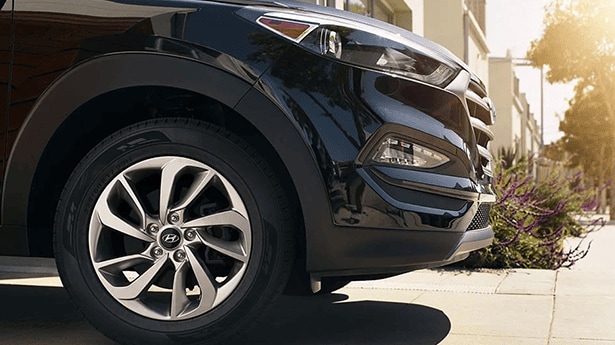
Inspecting your Hyundai brakes in the fall identifies friction pad wear, rotor thinning, and hydraulic fluid contamination before sub-freezing winter temperatures, wet autumn leaves, and corrosive road salt reduce stopping power. Catching minor brake component degradation during autumn prevents costly winter rotor damage, protects anti-lock systems, and maintains predictable emergency stopping distances when road traction drops.
Autumn serves as the critical transition window for vehicle maintenance. During summer driving, high ambient temperatures and extended road trips accelerate thermal breakdown in brake pads and elevate friction surface wear on steel rotors. As seasonal autumn rain and falling leaves create slick road surfaces, reduced tire traction requires responsive, evenly balanced braking to keep your vehicle under control. For anticipated future vehicles like the 2027 Hyundai Tucson and 2027 Hyundai Elantra, regular maintenance checks keep active driver-assist hardware functioning at original factory standards.
A comprehensive fall inspection evaluates all four friction points, measuring pad thickness, rotor runout, caliper slide movement, and brake fluid moisture levels. Addressing slight wear before temperatures plunge prevents winter fluid thickening, pedal sponginess, and uneven pad binding. If you are noticing longer stopping distances or minor pedal squeaks, stop by our Billingsley Road service center near Columbus for a complete multi-point brake check, or give our certified service team a call directly at (614) 782-1029 to speak with an advisor.
What Specific Weather Conditions in Fall Accelerate Hyundai Brake Wear?
Rapid autumn temperature fluctuations, persistent rainstorms, and decaying leaves on asphalt accelerate mechanical brake wear by reducing road surface friction and forcing hydraulic systems to work harder. When tires struggle for traction on slick road surfaces, driver safety systems must engage more frequently, increasing heat cycles and mechanical stress across pads, rotors, and calipers.
Decaying wet leaves create a slick organic barrier on roadway surfaces that drastically reduces tire grip. When stopping on leaf-covered pavement around Dublin suburban routes and Scioto River bridge approaches, drivers apply firmer pedal force, triggering the Anti-lock Braking System and Electronic Stability Control to prevent wheel lockup. These rapid hydraulic modulations force brake pads against the rotors dozens of times per second, generating localized thermal spikes that accelerate friction material erosion.
Autumn weather patterns also introduce sharp day-to-night temperature drops. Wide diurnal temperature swings cause metal brake rotors to expand during high-friction use and contract rapidly in damp evening air. This sudden cooling cycle can encourage micro-cracking along rotor surfaces or cause minor disc warping, which leads to steering wheel shudder under deceleration. Furthermore, autumn moisture settles inside unsealed caliper slide pins and exposed brake backing plates, establishing early surface rust that prevents pads from retracting smoothly away from the rotor face after you release the brake pedal.
How Does a Fall Brake Inspection Prevent Costly Repairs Before Winter?
A fall brake inspection prevents expensive emergency repairs by catching thin friction pads before they score smooth rotor surfaces or damage hydraulic caliper pistons. Replacing worn brake pads during routine autumn maintenance costs a fraction of a full-system overhaul involving replacement rotors, rebuilt calipers, and hydraulic system bleeds.
When brake pad friction material wears below 3 millimeters, the remaining backing plate begins approaching the rotor face. Ignoring this wear leads to metal-on-metal contact, which creates deep grooves on steel rotors and generates extreme friction heat. That excessive heat transfers directly into the hydraulic caliper, causing rubber piston seals to harden, crack, or leak fluid. Catching pad wear early during an autumn check preserves the structural integrity of factory rotors, allowing technicians to resurface or reuse them rather than replacing the entire assembly.
Fall inspections also address brake fluid health before winter road salt and sub-zero temperatures arrive. Brake fluid is hygroscopic, meaning it continuously absorbs moisture from ambient air through flexible rubber lines and reservoir vents. Over summer, absorbed water lowers the boiling point of the fluid. When winter temperatures hit, that trapped moisture can freeze inside small hydraulic passages or cause internal oxidation throughout the Anti-lock Braking System module and master cylinder. Flushing contaminated fluid every 24 to 30 months removes trapped water, protecting high-cost electronic hydraulic valves from internal corrosion.
To protect your vehicle before winter driving conditions worsen, you can schedule your fall brake inspection online with our certified technicians. Our facility utilizes specialized diagnostic equipment and supplies factory-approved replacement components directly through our specialized Hyundai parts department to preserve factory stopping standards.
What Are the Warning Signs Your Hyundai Needs Immediate Brake Service?
Squealing friction indicators, pedal vibration, soft pedal feel, and directional pulling during deceleration indicate that your braking system requires immediate inspection before winter weather arrives. Recognizing these early mechanical warnings allows you to address wear items before secondary component failure compromises driving safety.
When commuting through stop-and-go traffic along Route 23 in Lewis Center, your vehicle's braking hardware is under constant demand. Pay close attention to subtle changes in sound and pedal response during daily drives:
- High-pitched squealing or metallic chirping while applying light pedal pressure, caused by built-in mechanical pad wear sensors.
- Harsh grinding or scraping noises, indicating that pad friction material is completely worn away and metal backings are cutting into steel rotors.
- Steering wheel shaking or brake pedal pulsation during moderate deceleration, caused by rotor thickness variation or thermal surface distortion.
- Spongy or sinking brake pedal feel, indicating air bubbles, boiled fluid, or moisture accumulation within the hydraulic lines.
- The vehicle pulling toward one side under braking, which points to a sticking caliper slide pin, uneven pad wear, or a restricted brake line.
- Illumination of the red brake system warning light or yellow Anti-lock Braking System indicator on your instrument panel.
Addressing these symptoms promptly prevents secondary damage to wheel bearings, suspension bushings, and hydraulic assemblies. Continuing to drive with grinding brakes rapidly destroys remaining rotor material and can cause caliper pistons to extend beyond their safe operating range.
How Do Dirty or Ice-Covered Sensors Affect Hyundai Automatic Emergency Braking?
Obstructed radar sensors and camera lenses disrupt automated driver-assist features by blocking the optical and electromagnetic signals required to detect vehicles, pedestrians, and road obstacles. While physical brakes handle mechanical stopping power, modern safety suites rely on clean external sensors to measure closing speeds and trigger automatic braking intervention.
Hyundai models equip advanced driver-assistance features like Forward Collision-Avoidance Assist, which utilizes a radar module mounted behind the front bumper grille and an optical camera located behind the top of the windshield. During fall and early winter, road grime, wet leaves, mud, and slush coat these sensor housings. When environmental debris blocks the sensor's line of sight, the system cannot accurately measure distance to objects ahead, prompting the vehicle to temporarily disable automated intervention and illuminate a dashboard system indicator.
When active safety systems initiate emergency stopping commands, physical brake hardware must perform flawlessly. If mechanical brake pads are thin or brake fluid is contaminated with moisture, the physical stopping distance will exceed the distance calculated by the vehicle's electronic control modules. Keeping windshield glass clear, clearing front grille mesh of autumn leaf buildup, and maintaining fresh mechanical brake pads ensures that driver-assist technologies operate in total harmony. If an unexpected sensor fault or mechanical breakdown ever leaves you stranded, original owners can contact Hyundai Roadside Assistance at (800) 243-7766 for factory-backed towing and emergency assistance.
Are Hyundai Brake Pads and Rotors Covered Under Factory Warranty?
Hyundai brake pads and rotors are classified as normal wear items and are covered against manufacturing defects under the 12-Month / 12,000-Mile Wear Item Limited Warranty, rather than the longer bumper-to-bumper or powertrain warranties. Defects in material or factory workmanship during that initial window are repaired without component cost to the owner.
The standard 5-Year / 60,000-Mile New Vehicle Limited Warranty covers non-wear hydraulic and structural braking components, including brake calipers, master cylinders, steel hydraulic lines, pedal linkages, and the Anti-lock Braking System control module against mechanical defects. Meanwhile, major internal engine and drivetrain hardware remains covered under the 10-Year / 100,000-Mile Powertrain Limited Warranty for original retail purchasers.
Understanding warranty distinctions helps owners plan routine maintenance budgets effectively:
- 12-Month / 12,000-Mile Wear Item Limited Warranty: Covers factory brake pads, lining friction material, rotors, and clutch linings against material defects from the original in-service date.
- 5-Year / 60,000-Mile New Vehicle Limited Warranty: Covers non-consumable brake system hardware including calipers, ABS actuators, wheel speed sensors, and master cylinders.
- Standard Maintenance Responsibility: Friction wear resulting from normal driving, aggressive braking habits, high mileage, or environmental corrosion is considered routine owner upkeep.
Replacing worn friction items on schedule protects non-wear hydraulic components from excess thermal transfer, keeping your entire braking network covered under standard factory protections.
Common Questions About Hyundai Fall Brake Inspections
Q: How often should Hyundai brake pads and rotors be inspected?
Hyundai factory maintenance guidelines recommend inspecting brake pads, rotors, calipers, and fluid lines every 15,000 miles or 12 months, whichever comes first. If you frequently drive in heavy traffic, carry full passenger loads, or navigate mountainous terrain, scheduling an inspection every 7,500 miles during routine oil changes and tire rotations helps identify premature wear early.
Q: How long do Genuine Hyundai brake pads typically last?
Genuine Hyundai brake pads generally last between 30,000 and 70,000 miles, depending on individual driving habits, traffic conditions, and vehicle weight. Highway driving places less strain on friction materials than stop-and-go suburban driving. Having certified technicians measure pad thickness in millimeters during fall service visits gives you an accurate prediction of remaining pad life.
Q: Why does my brake pedal feel soft or spongy in cold weather?
A soft or spongy pedal usually indicates moisture accumulation or air bubbles trapped within the hydraulic brake fluid lines. Because brake fluid absorbs atmospheric moisture over time, cold temperatures cause trapped water molecules to affect fluid density and pressure transfer. Flushing the hydraulic system restores firm pedal feel and consistent stopping pressure.
Q: What is the difference between resurfacing and replacing brake rotors?
Resurfacing, or turning, uses a precision lathe to shave a thin layer of metal off the rotor face, removing minor scoring and restoring a smooth, flat surface. However, if the rotor has worn below its safe minimum thickness specification or exhibits deep heat cracks and severe warping, it must be replaced with a new factory rotor to handle braking heat safely.
Q: Does the Electronic Parking Brake require special maintenance during a brake service?
Vehicles equipped with an Electronic Parking Brake and Automatic Vehicle Hold require specialized electronic diagnostic tools during rear brake service. Technicians must place the electronic servo motors into a dedicated service mode before retracting the caliper pistons to replace rear pads. Attempting to force pistons back manually without diagnostic tools can damage the internal parking brake motor.
Prices and MSRP referenced in this article are estimates for informational purposes only and do not constitute an offer to sell. See dealer for complete details. Fuel economy estimates shown may differ from official EPA ratings and should not be relied upon as a guarantee of actual vehicle performance.